
Article Title: Why Everyday Self-Care Starts with Listening to How You Feel
Self-care is often presented as something luxurious or time-consuming, but in reality, it usually begins with simple awareness. It can start with noticing when you are tired, when you need a break, when your schedule feels overwhelming, or when your body is asking for more balance. Listening to how you feel is one of the most practical foundations of healthy habits and everyday self-care.
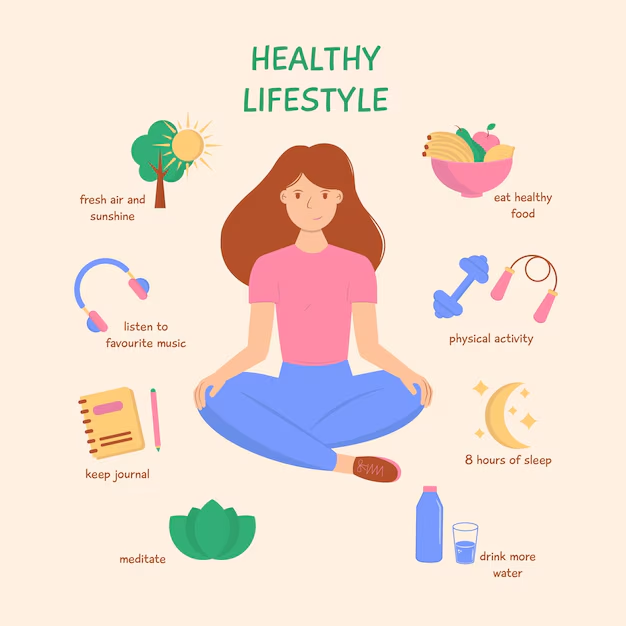
In a busy world, many people separate self-care from ordinary life. They think of it as something extra to do only on weekends, holidays, or rare free evenings. But daily wellness is often shaped by much smaller choices. Sleeping enough, staying hydrated, eating regular meals, getting fresh air, moving the body, and taking mental breaks are all simple forms of self-care. These habits become easier to maintain when people pay attention to what their body is asking for.
Rest is one of the clearest examples. Many people continue working or staying active long after they begin feeling tired. They may assume that pushing through exhaustion is a sign of productivity. However, ongoing tiredness can make concentration, mood, and daily tasks more difficult. Listening to the body’s need for rest may support better routines, clearer thinking, and a more sustainable pace of life.
Nutrition is another area where self-care and body awareness are closely connected. Skipping meals, eating in a rush, or relying too heavily on convenience foods may happen during busy periods. Over time, these habits can affect energy and comfort. Healthy self-care may include creating a more regular eating schedule, planning simple balanced meals, and noticing how food choices influence the way you feel throughout the day.
Hydration also tends to be overlooked. Some people do not realize they have gone hours without drinking enough water until they feel tired, distracted, or uncomfortable. Paying attention to thirst and making hydration part of the daily routine is a practical but often underestimated habit. Small actions like keeping water nearby or taking regular drink breaks can make a difference in daily comfort.
Movement is another important part of self-care. Many adults spend much of the day sitting, whether at work, in traffic, or at home. The body may respond with stiffness, low energy, or tension. Gentle movement, stretching, or walking can be a simple way to reconnect with physical needs. Exercise does not have to be intense to support wellness. Moderate and consistent activity often fits daily life better and feels more sustainable over time.
Mental and emotional rest matter too. The body often reacts to stress even when a person tries to ignore it. Some people feel tension in their shoulders, headaches after long days, or difficulty sleeping when life becomes overwhelming. Self-care may include recognizing these signs and responding with healthier boundaries, moments of quiet, less screen overload, or time outdoors. This type of care is not indulgent. It is part of maintaining balance.
A useful approach to self-care is to think of it as prevention rather than rescue. Instead of waiting until stress or fatigue becomes overwhelming, daily habits can help support well-being earlier. A few minutes of stretching in the morning, regular meal breaks, a walk after work, or a more consistent bedtime may seem simple, but these habits often create stability. When repeated over time, they can support a more balanced lifestyle.
Healthy habits do not need to be perfect to be helpful. Many people give up on self-care because they believe it must be done in an ideal way. In reality, self-care is often about doing what is realistic. It is better to have simple habits you can maintain than an ambitious plan that does not fit your life. Progress in daily wellness usually comes from consistency, not intensity.
Listening to how you feel can also help you make better choices day by day. Some days may call for more movement, while others may require extra rest. Some days may feel mentally demanding, making breaks more important. Self-care is not always the same every day, because the body’s needs are not always the same. Awareness helps people adjust instead of forcing one rigid routine.
At its core, self-care is a practical way of respecting the body’s everyday needs. It is not about doing more for the sake of doing more. It is about recognizing what supports your well-being and making space for it in a realistic way. When people listen to how they feel and respond with healthy habits, self-care becomes less of a trend and more of a useful part of daily life.